
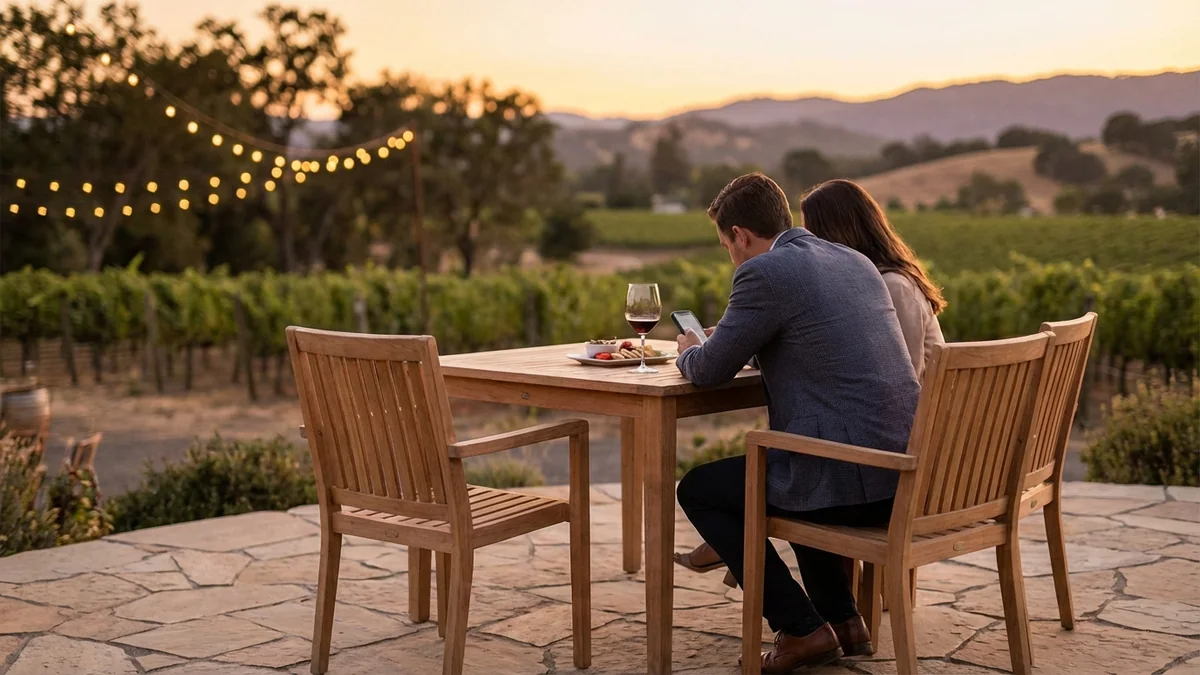
It's 6pm. A couple visiting Paso Robles just wrapped up a wine tasting and they're hungry. They pull out a phone and search for restaurants nearby.
Within 60 seconds, they've picked a place—or eliminated yours from consideration.
If you run a restaurant anywhere in SLO County, your website is making (or breaking) these decisions dozens of times a day. Here's what diners are actually looking for, and what sends them to your competition.
Most Customers Check Your Website Before They Ever Walk In
You might think people just show up. They don't. 77% of diners visit a restaurant's website before they eat there—whether that's dining in, picking up takeout, or ordering delivery.
That means three out of four potential customers are judging your restaurant before they taste a single bite.
And they judge quickly. 68% of diners have been completely discouraged from visiting a restaurant because of its website. Not because the food was bad—they never got that far. The website alone turned them away.
Your website is your host stand, your menu board, and your first impression all rolled into one.
What Hungry People Look For (In Order)
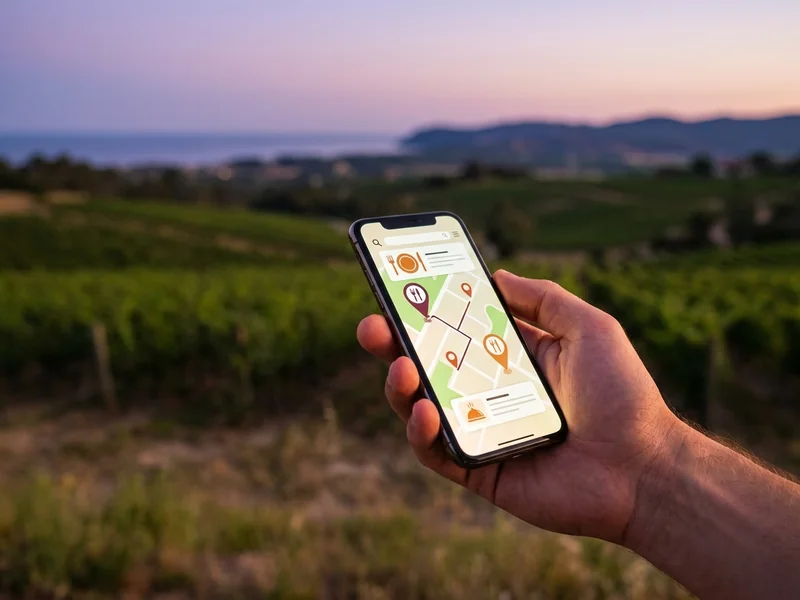
When someone lands on your restaurant website, they have a few simple questions. Answer them fast, and you've got a customer. Make them work for it, and they're gone.
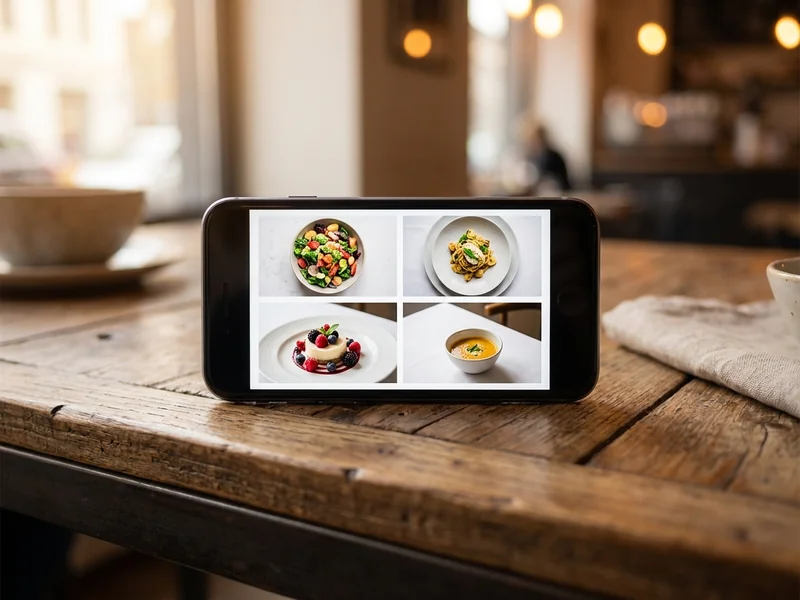
1. The Menu. This is what they came for. 45% of diners specifically look for food photos when they visit a restaurant site. They want to see what they're going to eat. And 30% are turned off by menus that are hard to read—tiny text, PDFs that don't work on phones, or menus buried three clicks deep.
2. Hours and Location. When are you open? Where are you? Visitors in Morro Bay need to know if you're actually in Morro Bay or twenty minutes away in San Luis Obispo. Make this obvious.
3. How to Get a Table. 59% of diners prefer to book online. Even better, 65% go directly to the restaurant's website when making a reservation—not OpenTable, not Google, your website. If you don't have online booking, at least make your phone number impossible to miss.
4. Food Photos. 36% of diners have decided against visiting a restaurant because of poor food photography. Bad photos are worse than no photos. If your dish photos are dark, blurry, or look unappetizing, they're actively hurting you.
The Mobile Problem
Here's the thing: people aren't looking at your website on a computer. They're looking at it on their phone, often while standing on a sidewalk trying to decide where to eat in the next ten minutes.
56% of diners consider mobile-friendly websites "very important." That number is probably low—the rest just haven't thought about it because they expect mobile to work.
What does mobile-friendly mean for a restaurant?
- Menu text big enough to read without zooming
- Phone number you can tap to call
- Address that opens in Maps
- Loads in a few seconds even on spotty Central Coast cell service
8 out of 10 diners are more likely to return to a restaurant website that's easy to use. If someone has a good experience browsing your site, they remember it. They come back.
Google Reviews Are Non-Negotiable
Your website matters—but for restaurants, reviews might matter even more.
46% of diners check Google reviews before picking a restaurant—more than Yelp (23%), TripAdvisor (9%), or OpenTable (6%). Google is the default.
And the stakes are high. 33% of diners won't eat at a restaurant with less than 4 stars. If you're sitting at 3.8, a third of your potential customers are automatically crossing you off the list.
What's the payoff for improving? Every one-star increase in your rating can boost revenue by 5-9%. For a restaurant doing $500,000 a year, that's $25,000 to $45,000 in additional revenue from better reviews alone.
If you want to dive deeper, our local SEO guide for SLO businesses covers how to build your Google presence.
Same-Day Reservations Are Normal Now
Something has shifted in how people make restaurant plans. 66% of diners now make same-day reservations. That couple in Paso Robles I mentioned? They're deciding where to eat right now, not planning three days ahead.
This is good news for restaurants with easy booking. If someone can grab a table on your website in 30 seconds, they're more likely to pick you over the place that requires a phone call.
If you don't have online reservations, at least make your phone number huge and prominent. People making same-day plans don't have patience for digging through your site.
What About Takeout and Delivery?
Here's a stat that might surprise you: 84% of customers prefer to order delivery directly through a restaurant's website—not DoorDash, not Uber Eats, not Grubhub.
Why? They know those apps take a cut. They want their money going to you. And ordering direct often means better accuracy and faster service.
If you're offering takeout or delivery but sending everyone to third-party apps, you're leaving money on the table. And you're missing a chance to build a direct relationship with your customers.
The Website Sins That Kill Reservations
Let's get specific. Here's what drives diners away:
Confusing navigation discourages 33% of visitors. If people can't find your menu or hours in two clicks, they're gone.
Hard-to-read menus turn away 30%. PDFs that require zooming, menus without prices, or text that's too small—all deal-breakers.
Bad or missing food photos cost you 36% of potential customers. Either invest in decent photos or skip them entirely—amateur shots do more harm than good.
Outdated information. If your website says you're open until 10pm but you actually close at 9pm, you're making enemies. If your menu shows dishes you stopped serving six months ago, you're creating disappointment. Keep it current or don't have it.
A Quick Self-Check for Your Restaurant
Pull up your restaurant's website on your phone. Set a timer for 30 seconds. Can you:
- Find the menu?
- Find your hours and address?
- Figure out how to make a reservation or call?
- See photos of your food?
If you struggled with any of those in 30 seconds, so are your customers. And they have other options one search result away.
What YouGrow Does Differently
We build websites for SLO County restaurants—places in Paso Robles, San Luis Obispo, Morro Bay, Arroyo Grande, and everywhere in between. $99/month, everything included.
That means a site that loads fast, shows your menu clearly, makes your hours and location obvious, and looks good on every phone. We can set up reservation integrations, link your Google reviews, and make sure hungry tourists can find you at 6pm on a Saturday.
Best part? You don't have to update anything yourself. When your menu changes or your hours shift for the season, just email us. We handle it within a day.
Sites go live in days, not months—and they're built accessible from day one, so every customer can use them. We're based right here in Arroyo Grande. Month-to-month, cancel with 30 days’ notice. Month-to-month, no lock-in.
Want to see what your restaurant's website could look like?
Let's have a quick conversation about what you need. No pressure, no sales pitch—just a neighborly chat about whether we can help.
Or call us: 805-439-6288
Onur builds websites for SLO County small businesses at YouGrow.pro. Based in Arroyo Grande. $99/month, everything included.